

Weekly writing about how technology and people intersect. By day, I’m building Daybreak to partner with early-stage founders. By night, I’m writing Digital Native about market trends and startup opportunities.
If you haven’t subscribed, join 70,000+ weekly readers by subscribing here:
Silicon Valley’s 99% Blindspot
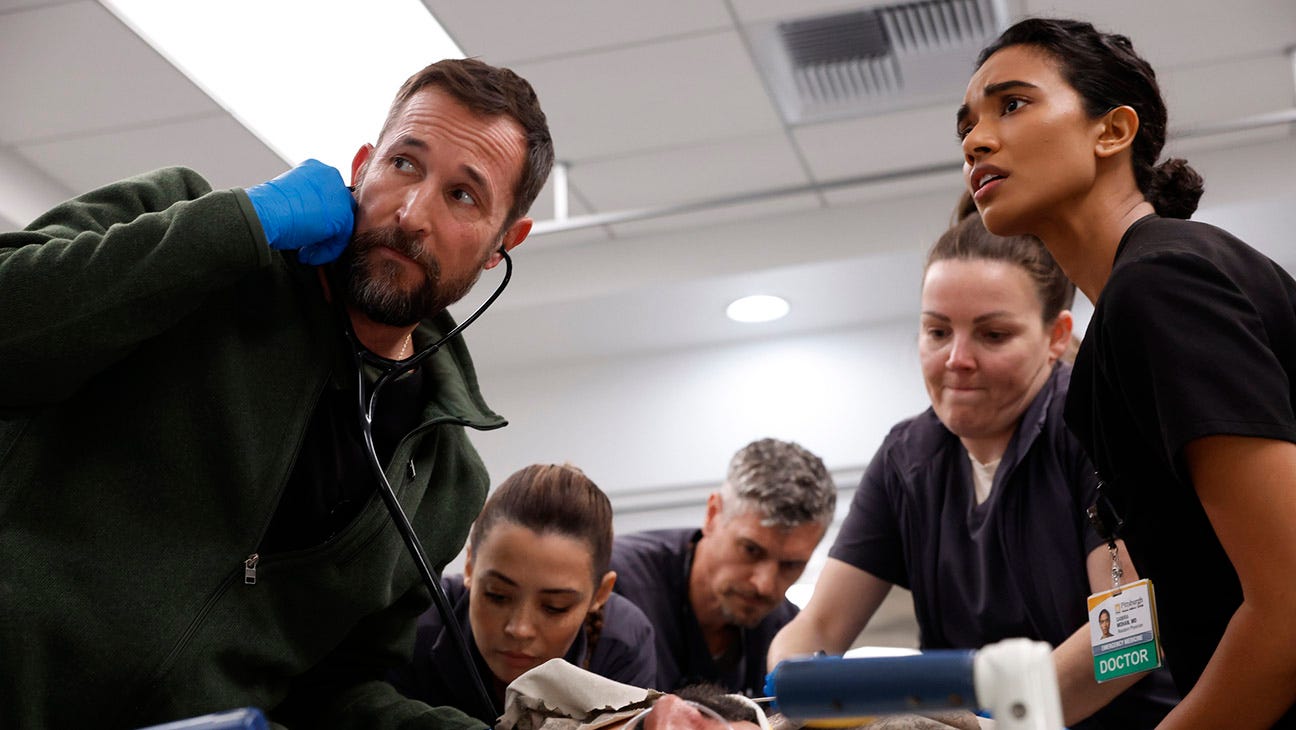
I’m addicted to The Pitt, and I spent last weekend catching up on Season 2. Why is The Pitt so good? Because it’s a refreshing look at “real” people’s lives, which is hard to find in today’s TV landscape.
Prestige TV has become addicted to what some would call “wealth porn.” In other words: TV is obsessed with the lives of the rich and powerful. The White Lotus shows us how the rich vacation. Succession brings us inside the boardrooms of billionaires. Big Little Lies offers beautiful homes and fictional wealthy white women, while Selling Sunset offers beautiful homes and real-life wealthy white women. Watching TV has become synonymous with watching the 1%.

Sophie Gilbert argued in The Atlantic that “Money Is Ruining Television.” Her primary example is And Just Like That, the Sex and the City reboot. The original show, however unrealistic (how can Carrie Bradshaw write a weekly column yet afford her lifestyle + an Upper East Side brownstone? 🤨), was at least accessible. The reboot is anything but; in Gilbert’s words: “There’s something fundamentally off about seeing one of the canonical female characters of our era transformed into a Gilded Age archetype, worrying about a garden renovation and choosing back-ordered fabric for a chaise.”
The Pitt, meanwhile, is raw and gritty. Dramatized, sure, but a compelling portrait of the 99%. The people who work at the fictional Pittsburgh Trauma Medical Center are exposed to the entire swath of humanity—every age and race and ethnicity and tax bracket. Watching the show reminded me of my brother, who did his residency at Elmhurst Hospital in Queens, situated in the most ethnically, linguistically, and culturally diverse zip code in the world (over 100 household languages spoken). The Pitt is refreshing in how it brings you into the lives of so many different people.
Silicon Valley’s Blindspots
Silicon Valley has the same blindspot as prestige TV: it mistakes its own life for everyone else’s.
The Valley is an echo chamber, and we end up with a lot of well-funded companies built for the tech elite. Many members of Silicon Valley are the 1%—so naturally, we gravitate to stuff we know. It’s a lot easier to build products for yourself, and it’s a lot easier to invest in companies that sell products you yourself might use.
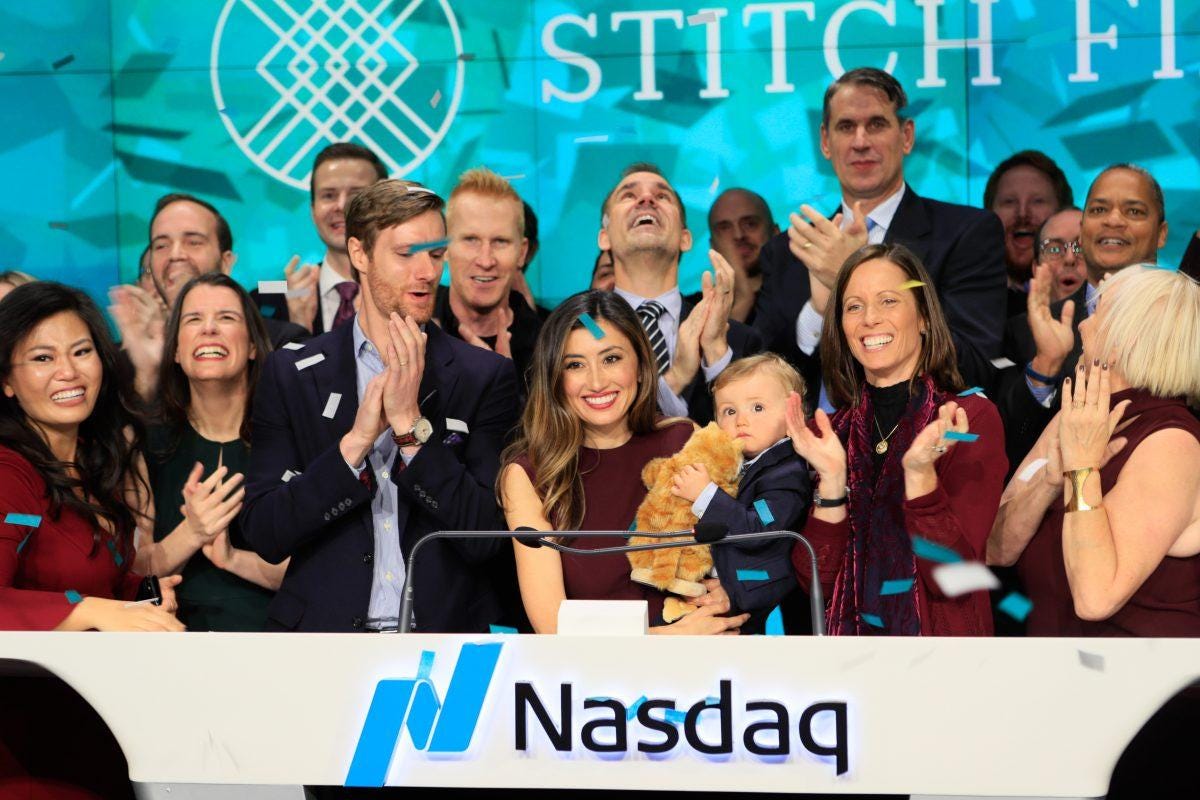
I often think about Katrina Lake from Stitch Fix, who has spoken about pitching VC partnerships and hearing from (male) VCs: “I asked my wife and she would never use your product.” Lake would think to herself: “Duh, the wife of a venture capitalist is the opposite of our target customer.”
Another example is Chime, which today has a $10B market cap but which almost didn’t make it past Series A. The founders, Chris and Ryan, persevered through 100+ rejections, with VCs saying that products for the underbanked could never be profitable. (Shoutout to Lauren Kolodny for having a different view, and to Satya and Hunter at Homebrew for being Chime’s earliest champions.)

Watching The Pitt, I found myself thinking about our Daybreak company Sonder Health. Sonder’s product automates discharges for hospitals. Today, a patient might be ready to leave a hospital, but then stick around for days in a maze of paperwork and approvals and red tape. Sonder’s platform streamlines discharges, transforming the economics for a hospital: hospitals operate on razor-thin margins, and just a 0.25-0.5 reduction in length of stay improves hospital margins by >1%.
The customer for Sonder would be a hospital like Pittsburgh Trauma Center. The user for a product like Sonder’s would be someone like Dana, the charge nurse in The Pitt.

The best way to get outside of the Valley bubble is to go spend time in places far from Palo Alto. But if you can’t make it to Pittsburgh Trauma Center, TV and movies and books accomplish some of the same goal: building empathy for people with different lives.
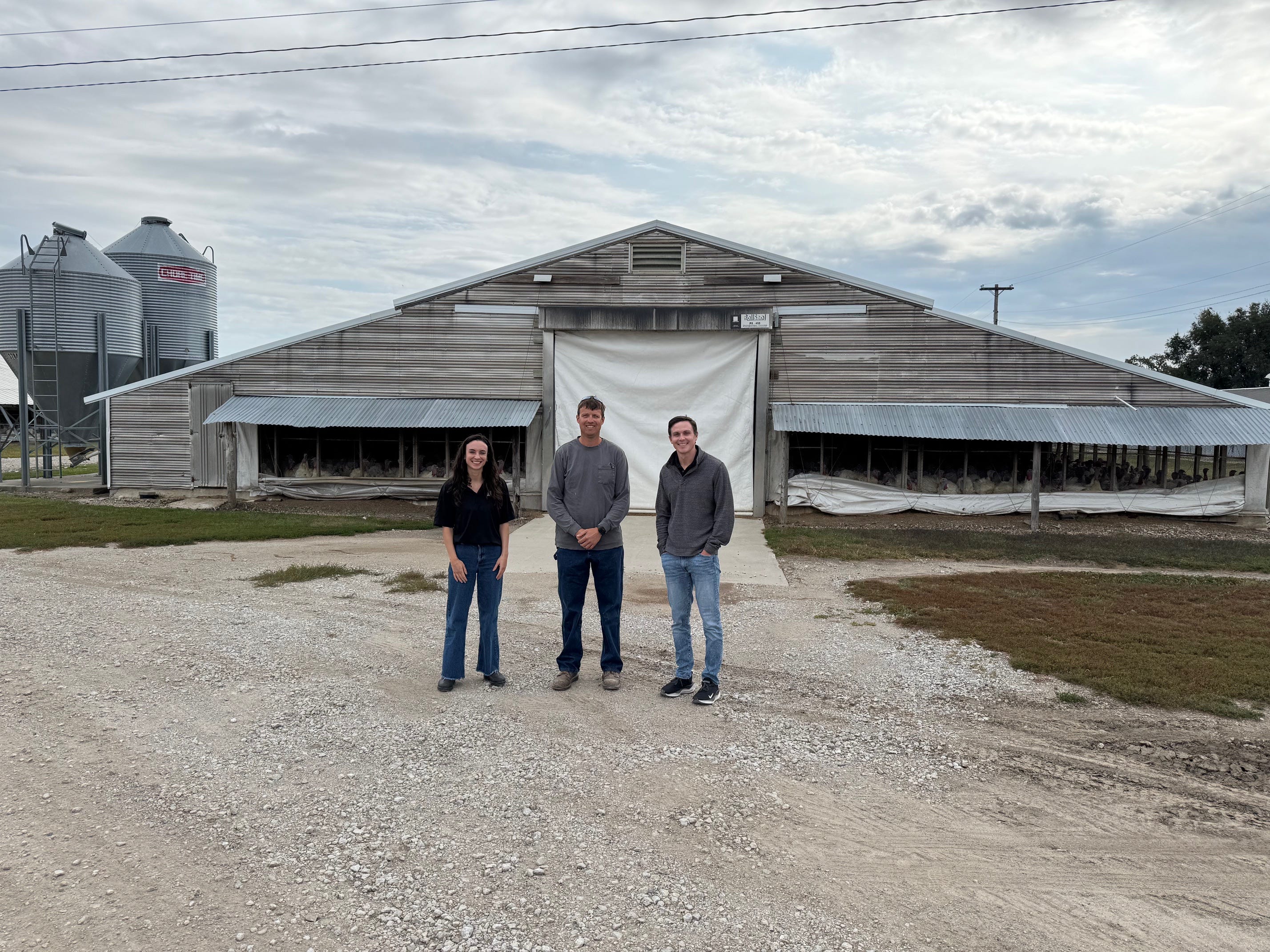
Another example of a company built for customers far beyond Silicon Valley: Barnwell, one of our Daybreak companies that came out of Stealth this week. Barnwell is built for farmers. Here are Casey, Jake, and Michael on site at a customer’s farm:
The fancy way to describe what Barnwell is building: a platform for animal health intelligence. The even fancier way: a metagenomic biosurveillance system. What does that actually mean? Basically, Barnwell helps farmers detect and stop the spread of disease.
Say you’re a chicken farmer and you have 10 hen houses. Without Barnwell, you might learn that 7 of your 10 hen houses have bird flu, and the animals must be killed. With Barnwell’s platform, though, you’d use wastewater analysis to detect the presence of disease early. You’d be able to spot bird flu weeks sooner, and you might contain the outbreak to just 2 of your 10 hen houses. You’d save millions for your farm.
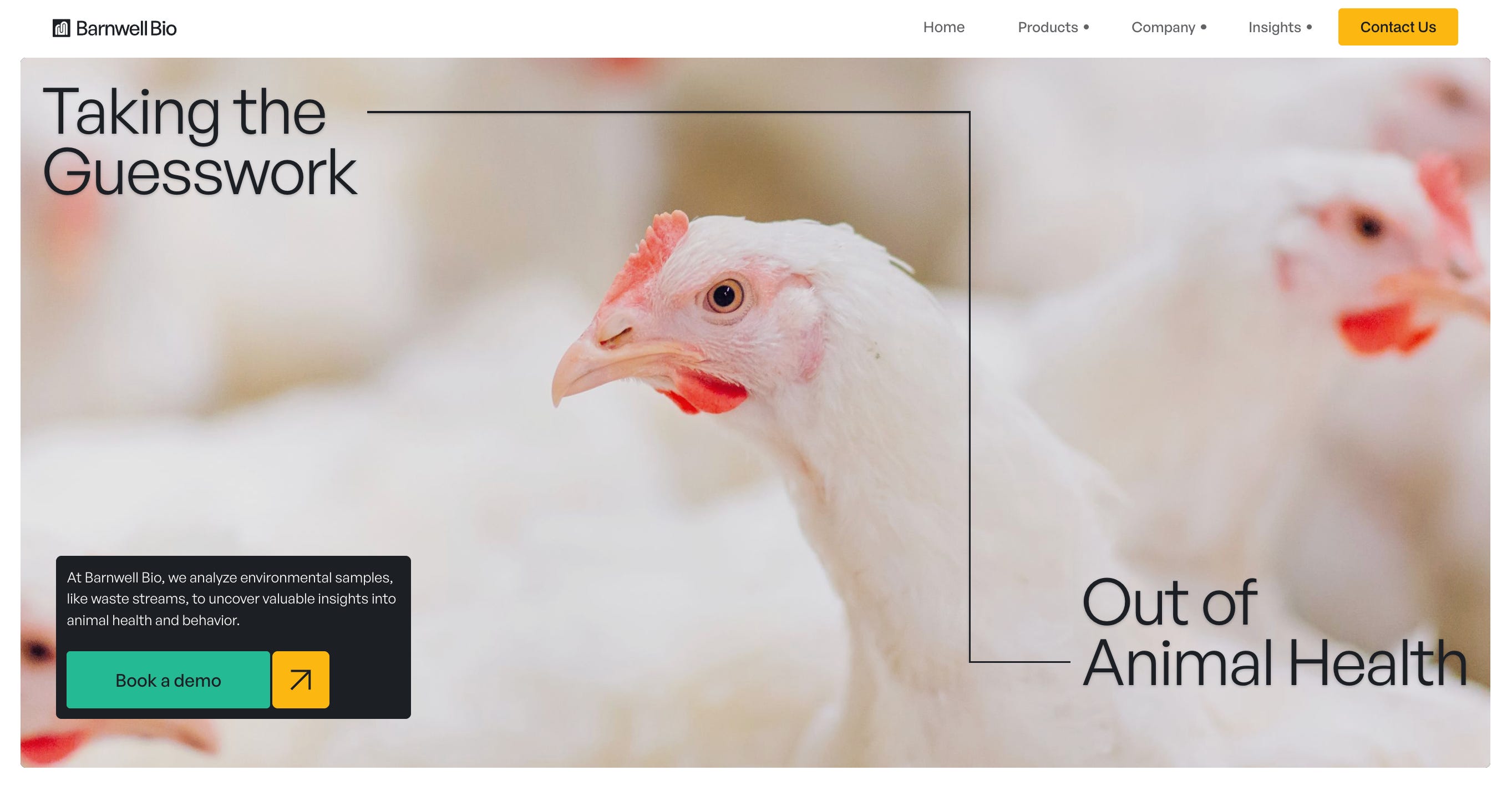
These aren’t hypotheticals: Barnwell has already generated one of the largest poultry metagenomic datasets in the world. The $315B poultry market lost $14B last year because of bird flu; Barnwell’s goal is to better stop the spread of disease through intelligence biosurveillance.
Final Thoughts: Tech Translators
Most readers of Digital Native work in tech, or are at least reasonably fluent in tech. One responsibility for early adopters of technology, in my mind, is to help people outside of tech understand how new products can solve their problems. If you know someone who works in a hospital, tell them about Sonder; if you know someone who has a farm, tell them about Barnwell; and so on.
This is also a good formula for startup creation: talk to people as far from the Valley as possible, to get a sense for their problems and needs. Then the job of a founding team becomes translating powerful new technology in clear, effective ways to solve those problems.
I spent half my Sunday setting up Clawdbot, which took tech Twitter by storm over the weekend. Clawdbot is cool (really cool; I may write about it next week) but it’s also a total pain to get going.
Clawdbot isn’t alone; a lot of new AI tools have high barriers to entry. I like how Ash put it on Twitter:

You can read Ash’s tweet and think: this is basically what founders are doing in vertical AI!
The entire point of applied AI is to figure out how to translate technology for a new, typically non-technical buyer. Sometimes these buyers are AI skeptics: a few of our Daybreak companies have moved away from ‘.ai’ domains because that domain was eroding trust with the customer.
One of the cool things about being in the startup world is being a “translator” for tech between early adopters in the Valley and everybody else. The goal is to make sure that charge nurses and chicken farmers get powerful, robust, intuitive products that make their lives easier.
Thanks for reading! Subscribe here to receive Digital Native in your inbox each week: